Things to Do in Chiang Mai
Seven hundred temples, one perfect bowl of khao soi, and the scent of frangipani at dawn.
Top Things to Do in Chiang Mai
Find activities and tours you'll actually want to do. Book through our partners -- no booking fees.


Plan Your Trip
Essential guides for timing and budgeting
Climate Guide
Best times to visit based on weather and events
View guide →Day Trips
The best excursions and nearby destinations worth the journey
Explore day trips →Where to Stay
Best neighbourhoods, hotel picks, and booking tips
Find hotels →Travel Insurance
What's required, what coverage matters, and how to get a quote
Read guide →What to Pack
Climate-specific gear, essentials, and what to leave at home
See packing list →When Should You Visit Chiang Mai?
Tap a month for weather, crowds, and highlights
View full year-round climate guide →Your Guide to Chiang Mai
About Chiang Mai
Chiang Mai wakes at 5:47 AM. Monks from Wat Chedi Luang glide barefoot down Ratchadamnoen Road, saffron robes catching first light against crumbling teak shop-houses. Wood smoke drifts from charcoal braziers. Sweet mango sticky rice steams in bamboo baskets at Warorot Market. Aunties sell sai ua sausage and sticky rice for 30 baht while gossiping in Northern Thai you'll never grasp.
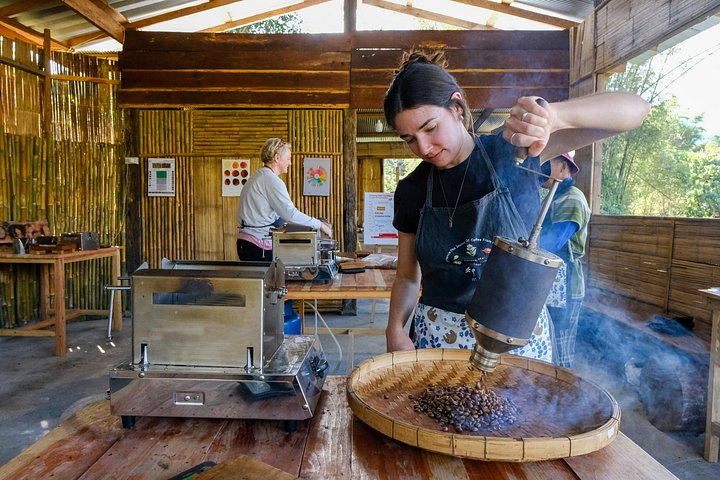
In Nimmanhaemin, coffee shops mimic Brooklyn lofts. They pour single-origin beans grown three hours away in the hills. Meanwhile 200-year-old wats in the Old City still stand on original teak pillars that creak like ships in dry season. The night bazaar stretches from Tha Pae Gate to the river. Haggle for hand-woven textiles, then grab khao soi for 40 baht from a cart that's served since 1987.
Burning season from March to April cloaks mountain views in brown haze. Your throat feels like sandpaper. Come in November instead. Loy Krathong fills the Ping River with floating candles. You'll see why half the expats who planned one week haven't left in five.
Travel Tips
Transportation: Red songthaews rule the city streets. Flag one, state your destination, bargain before boarding. Most rides within the Old City cost 20-30 baht. Drivers quote 80-100 baht to tourists who forget to ask. Download Grab for reliability, late night from Nimman when songthaews vanish. Scooter rental runs 200 baht per day. Check your travel insurance first. Accidents spike when afternoon rains turn roads into mirrors.
Money: ATMs charge 220 baht per withdrawal regardless of amount. Withdraw larger sums to dodge repeat fees. Kasikorn Bank and Bangkok Bank offer the most reliable machines. Most restaurants and even street vendors now accept QR code payments via Thai banking apps. Cash still rules at markets and temples. Exchange rates at Super Rich near Tha Pae Gate beat hotels or airports. Carry small bills. 100 baht notes and smaller work everywhere. Nobody can break a 1000 baht bill for your 30 baht noodle soup.
Cultural Respect: Cover shoulders and knees for temple visits. Remove shoes before entering temple buildings. Never point feet toward Buddha statues. The head is sacred. Do not touch Thai children's hair, even affectionately. When monks sit, lower yourself slightly. On public transport, women avoid sitting directly next to monks. At hill tribe villages, ask before photographing people. Skip long-neck Karen villages entirely. They operate as exploitative human zoos. Learn 'hello' (sawasdee ka/krap) and 'thank you' (khop khun ka/krap) with the correct polite particle. Smiles follow everywhere.
Food Safety: Street food that makes you sick rarely comes from carts. Hotel buffet food left out too long is the usual culprit. Choose stalls with high turnover where food never lingers. Watch them cook it fresh. Skip raw vegetables unless you see them washed in boiled water. Ice in drinks is usually safe from established vendors. They buy factory-made ice. The food court at Maya Mall is good. It has a safe intro to regional dishes before you brave night markets. If your stomach protests, grab charcoal tablets from any pharmacy for 30 baht. They work better than anything you'd pack from home.
When to Visit
November through February is Chiang Mai's sweet spot. Daytime temperatures hover around 28°C and drop to 15°C at night. Good for sleeping under a blanket. Hotel prices increase 40-50% during Christmas and Chinese New Year. Tour groups from Bangkok flood the Old City. Rainy season (June-October) brings afternoon deluges that turn streets into rivers.
Hotel prices fall 25-30%. Mornings stay clear and surrounding hills glow impossibly green. March-April is burning season. Farmers torch fields, creating apocalyptic haze and respiratory issues. Temperatures hit 38°C and mountains vanish behind brown smoke. Songkran (Thai New Year, April 13-15) turns the city into a massive water fight.
Fun, yes. Expect to pay double for accommodation and get soaked every time you step outside. Loy Krathong (November full moon) fills the Ping River with floating lanterns. Visitors arrive worldwide. Book hotels two months ahead. Budget travelers score best deals in September. Hotels drop to 1200 baht for rooms that cost 3000 baht in December.
Families favor December's cool mornings for temple visits. Solo travelers love October's quiet cafes and 30% cheaper cooking classes.
More Ways to Experience Chiang Mai
Tours, day trips, and local experiences curated by on-the-ground operators.
Didn't see anything interesting yet?
Browse Viator's full catalog of tours, day trips, food experiences, and private guides in Chiang Mai.
See All Chiang Mai Tours on Viator