

Things to Do in Chiang Mai in November
November weather, activities, events & insider tips
Shoulder Season · Good Value
November Weather in Chiang Mai
Long-run averages for November
87°F (30°C)
High Temp
67°F (19°C)
Low Temp
1.6 inches (41 mm)
Rainfall
78%
Humidity
8
Sunny-Day UV
⚠ Very high UV on sunny days: use sunscreen and seek shade at midday
Making the most of November in Chiang Mai? Browse tours and activities in Chiang Mai on GetYourGuide.
Is November Right for You?
Weigh the advantages and considerations before booking
Advantages
- + The monsoon has gone. Air scrubs itself. Mountains blaze emerald for a handful of weeks before dry-season dust dulls them again.
- + Arguably the year's kindest temperatures. Dawn and dusk carry a cool bite good for temple circuits. Midday sun is strong yet nothing like April's furnace.
- + You slip between seasons. December's hordes have not landed. October's road-blocking rains have mostly slipped away.
- + Food turns smoky and hearty. Khao soi simmers in deeper broths. Night markets grill sai ua over charcoal instead of merely frying it.
Considerations
- − True shoulder season. Some small guesthouses keep shorter hours. A few family tour desks stay shuttered for post-monsoon repairs.
- − Rains are finished yet a 3 PM cloudburst can still roar in. It lasts minutes. It ruins plans if you lack a poncho.
- − Yi Peng drifts with the moon. Early November is possible. By 2026 expect October. Verify exact dates if lanterns are non-negotiable.
Settled on November? Compare hotel prices in Chiang Mai for your dates on Trip.com.
Best Activities in November
Top things to do during your visit
November clears the air over Chiang Mai. The monsoon is done. Locals move outdoors, filling beer gardens and markets where grilling meat smokes in the cool evening. Temple fairs keep everyone busy. The landscape, soaked through, holds a deep green. Nights bring real cold, a relief after months of heat. Early mornings and long evening walks become the city's rhythm. The pace is yours. This is the moment to connect with hills and culture. Chiang Mai in November feels like a collective exhale. Dry clarity before the year ends. Mornings here start with monks chanting and frangipani on the breeze. November brings cool shade under ancient temple walls. You might hear a long-tail boat on the Ping River. Markets overflow with sizzling pork sausages and fresh herbs. In the countryside, streams and waterfalls run full again. The agreeable climate suits both Old City alleys and the forested mountains cradling the valley.

4 in 1 Elephants Long Neck Rafting and Sticky Waterfall Tour
adventureSerene observation meets active adventure. The landscapes just beyond Chiang Mai's outskirts are varied.
Intimate wildlife observation, river running, and waterfall exploration in one action-packed day outside the city.
Insider tip: Wear quick-dry clothing and secure, water-friendly shoes with grip. You will walk directly on and against the current of the sticky waterfall's limestone tiers.

LIFECYCLING - Half Day City Bike Tour
guided_experienceYou will pass monks collecting alms at dawn and vendors stacking tropical fruit into pyramids. The pace is human-scale. Guides share stories of the city's founding and point out architectural details you would miss alone.
A locally-led, immersive overview of Chiang Mai's history and daily life at a leisurely, engaging pace.
Insider tip: Choose the earliest start. The city is waking up then. The air stays cool and traffic is minimal. The ride is more peaceful.

1 Hour Deep Tissue Thai Massage with Balm - Free Transportation
otherIt is more intense and therapeutic than the lighter, relaxation-focused massages widely available in Chiang Mai.
A potent, traditional approach to muscle relief, distinct from standard tourist spa offerings.
Insider tip: Communicate your desired pressure level clearly at the start. This style is firm. A good practitioner will adjust to your tolerance.

1 day Private Tour to Unseen Temple in Lampang
culturalSome hold intricate wooden carvings. Others wear mirrored mosaics that glitter in sunlight, far from the well-trodden paths of Chiang Mai's own sanctuaries. The day offers deeper insight into Lanna religious architecture and the quieter rhythm of a provincial town.
Architectural artistry and serene atmosphere at lesser-known temples outside Chiang Mai's usual tourist circuit.
Insider tip: Tell your guide if you want to stop at the Lampang Horse Carriage stands, a unique historic transport mode in Thailand, for a brief photo opportunity on the return journey.

Chiang Mai 4WD Hilltribe Coffee: Jungle Trek, Roast & Brew.
adventureTrek through jungle, hearing unseen birds. Roast green beans over a wood fire until they darken and release their aroma. Then learn to brew a cup using local methods. The experience connects forest to farm to cup in one narrative.
Full immersion in northern Thai coffee production, from jungle walk to roasting your own beans.
Insider tip: Wear long pants and closed-toe shoes suitable for a forest walk. The smoky fragrance of beans roasting over open flame will cling to your clothes.
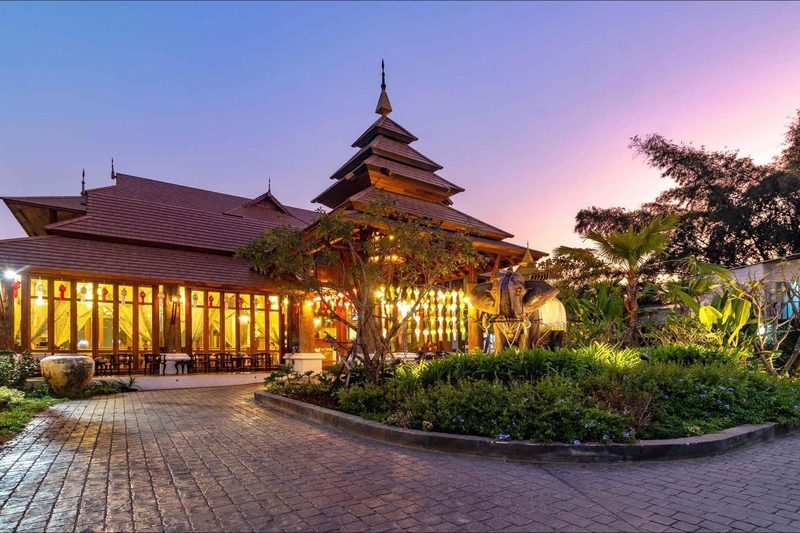
Where to Stay in Chiang Mai in November
Hand-picked hotels across price tiers for November travellers.
Packing Checklist
Bookmark this page — your progress is saved between visits
Need the full list with shopping links?
Climate-specific gear, brand recommendations, and what to leave at home.
View Chiang Mai Packing List →Essential Tips
Insider knowledge and common pitfalls to avoid
Insider Knowledge
Book the back half of November. By then the mountain views snap into focus as rainy haze bows out.
Taste the shift. Khao soi darkens, its curry paste deeper now. Hunt 'nam prik num', the roasted green chili dip at peak, scooped with crisp veg and pork rind.
Ditch the Sunday crush on Rachadamnoen. Walk Wualai Road on Saturday. Fewer elbows, more local smiths. Peer into silver workshops older than your parents.
Chase the bean. Drive to a Mae Taeng or Doi Chang plantation. November means harvest and the first roast. Mountain air carries the smoke of fresh coffee.
Avoid These Mistakes
Don't scoff at 67°F (19°C). After a hot day that number feels brisk on a bike or ridge.
Stay near but just outside the moat. East gate or north gate keeps the Old City a stroll away and local life within reach.
Stop stacking day trips. Cool, kind weather tempts you to book trek, class, temple, zip-line in 48 hours. Slow down. Claim a riverside chair and watch the river remember its pace.
Short on time? See day trips around Chiang Mai on GetYourGuide.
Ready to plan your trip to Chiang Mai?
Now that you've got the research covered, here's where to go next.
Explore More Activities in Chiang Mai
Didn't see anything interesting yet?
Browse Viator's full catalog of tours, day trips, food experiences, and private guides in Chiang Mai.
See All Chiang Mai Tours on Viator