
Things to Do in Chiang Mai in February
February weather, activities, events & insider tips
Shoulder Season · Good Value
February Weather in Chiang Mai
Long-run averages for February
91°F (32°C)
High Temp
62°F (16°C)
Low Temp
0.4 inches (10 mm)
Rainfall
61%
Humidity
0
Rainy Days
9
Sunny-Day UV
⚠ Very high UV on sunny days: use sunscreen and seek shade at midday
Making the most of February in Chiang Mai? Browse tours and activities in Chiang Mai on GetYourGuide.
Is February Right for You?
Weigh the advantages and considerations before booking
Advantages
- + The dry season is in full swing. Trails in the surrounding hills are firm and navigable. The air is relatively clear of the smoky haze that plagues later months. You can plan outdoor adventures with near-certainty. Pack light layers.
- + Cool mornings and evenings are tailor-made for exploring the Old City on foot. The scent of frangipani and incense from early temple rituals hangs in the air. The light on the moats is a photographer's dream. Go early.
- + It's the tail end of the peak tourist season. You still get the full energy of the city's markets and festivals without the overwhelming crush of December and January. You might find a table at a popular spot without a week's notice. Book anyway.
- + Seasonal produce is at its peak. This is when you'll find the sweetest, smallest pineapples at the local markets. The last of the cool-weather strawberries from the Royal Project farms up in the mountains are still around. Eat them fresh.
Considerations
- − That 10-day rainfall statistic is a bit deceptive. While it's minimal, those brief afternoon showers can still appear out of a clear blue sky. They drench you in minutes and turn certain dirt roads into slick, muddy challenges. Carry a poncho.
- − Accommodation prices, while easing from the December-January peak, are still running higher than the deep low season. The most sought-after boutique properties in the Old City tend to get snapped up well in advance. Reserve early.
- − The midday sun is intense. The UV index hits 8, and that 32°C (91°F) high feels hotter when you're walking on exposed stone around Wat Chedi Luang with no shade in sight. Outdoor activities between 11am and 3pm require serious sun strategy. Seek shade.
Settled on February? Compare hotel prices in Chiang Mai for your dates on Trip.com.
Best Activities in February
Top things to do during your visit
Chiang Mai in February is a respite. The city exhales after the haze of the dry season's end and before the coming heat. The measured weather tells the story: mornings start with a crispness that requires a light layer, the air cool enough to see your breath, while afternoons reach a dry, intense warmth under a clear, cloudless sky. This is the only month where the daily temperature swing is this pronounced, moving from an average low of 62 degrees to an average high of 91. The air is notably drier than any other time, with humidity hitting its annual nadir. Locals take to their gardens in the late afternoon, and the scent of charcoal grills begins to waft through neighborhoods as the sun dips, the evenings good for open-air dining. Compared to the monsoonal months that follow, February is Chiang Mai's most reliable window of arid, stable weather. This stability shapes the rhythm of a visit. Without the scheduled downpours of later seasons, every day is viable for exploration, from all-day treks into the surrounding hills to lengthy wanders through the historic quarter. The city operates at full, outdoor capacity. Street-side cafes spill onto pavements, temple courtyards feel expansive under the bright sun, and the mountains framing the city appear sharply defined, free of the humidity's veil. It is a month for motion.

4 in 1 Elephants Long Neck Rafting and Sticky Waterfall Tour
adventureThis adventure pairs two of Northern Thailand's distinct physical experiences. You will feel the spray of river water as your bamboo raft glides past jungle, then later scramble up the cascading limestone tiers of the Sticky Waterfall, your feet gripping the surprisingly rough, mineral-deposited rock. The day often includes quiet time with rescued elephants, where you might hear the low rumble of a contented giant and smell the earthy scent of their fodder.
It condenses the region's natural playfulness, from river to rock face to gentle wildlife encounter, into one active day beyond the city.
Insider tip: Wear quick-dry clothing and water shoes with grip. The rocks at the waterfall are indeed sticky but can be slick in spots, and you'll be walking in and out of the river all day.

LIFECYCLING - Half Day City Bike Tour
guided_experienceThis bicycle tour moves at the pace of local life, weaving through narrow lanes in the Old City where you will see the morning sun illuminating faded temple murals and hear the clang of monks' bells. The route avoids major traffic, instead passing through neighborhoods where the aroma of simmering khao soi spices hangs in the cool morning air.
It has a human-scale, intimate perspective of Chiang Mai's historic core that is impossible to achieve by motorized transport.
Insider tip: The morning tour capitalizes on the day's most pleasant temperatures and the serene atmosphere before shops fully awaken.

1 Hour Deep Tissue Thai Massage with Balm - Free Transportation
otherThis is a focused, medicinal treatment rather than a gentle spa indulgence. The practitioner will use a warmed, herb-infused balm that releases a penetrating, camphorous aroma as strong thumbs and palms work deep into muscle tissue. You will feel the day's tension dissolve under a firm, methodical pressure that follows traditional Thai therapeutic lines.
It delivers an authentic, potent form of Thai healing that addresses physical fatigue and stiffness with clinical precision.
Insider tip: Communicate your preferred pressure level clearly at the start. This style is strong, but a good therapist will adjust within the technique's framework.

Half-Day Cooking Class
foodA half-day culinary immersion typically begins with a visit to a busy local market, a sensory overload of sights and smells from piles of fresh herbs, glistening meats, and the sharp tang of fermented fish sauce. Back in an open-air kitchen, you will pound chilies and lemongrass for pastes, the rhythmic sound of the mortar and pestle yielding the foundational flavors of dishes like green curry or pad thai, which you then cook and taste.
It provides the practical skills and cultural context to recreate the complex, aromatic flavors of Northern Thai cuisine at home.
Insider tip: Choose a class that focuses on Northern specialties like khao soi or nam prik ong (minced pork and tomato chili dip) for a taste distinct to the Chiang Mai region.

1 day Private Tour to Unseen Temple in Lampang
culturalThis private tour journeys south to Lampang province, known for its quieter, architecturally singular temples. You might visit Wat Chalermprakiat, a complex built dramatically along a cliff face, where you will hear only the wind and your own footsteps echoing across the stone platforms, offering a stark contrast to Chiang Mai's more visited sites.
It trades the well-trodden temple paths of Chiang Mai for the serene and often impressively located spiritual sites of a neighboring province.
Insider tip: Since this is a private tour, discuss with your guide upfront any specific temple architecture or historical periods of interest to tailor the day.

Chiang Mai 4WD Hilltribe Coffee: Jungle Trek, Roast & Brew.
adventureThis experience takes you into the forested hills to meet highland coffee farming communities. You will trek through shaded jungle, feel the cool, damp earth underfoot, and learn the entire process from picking ripe red cherries to roasting and finally brewing a cup, whose bright, fruity notes you will taste amid the very environment that produced them.
It connects the rich, aromatic cup of Thai coffee directly to its origin story, the land, and the hill tribe cultures that cultivate it.
Insider tip: The trek involves uneven terrain. Wear sturdy, closed-toe shoes with good traction and be prepared for variable trail conditions.
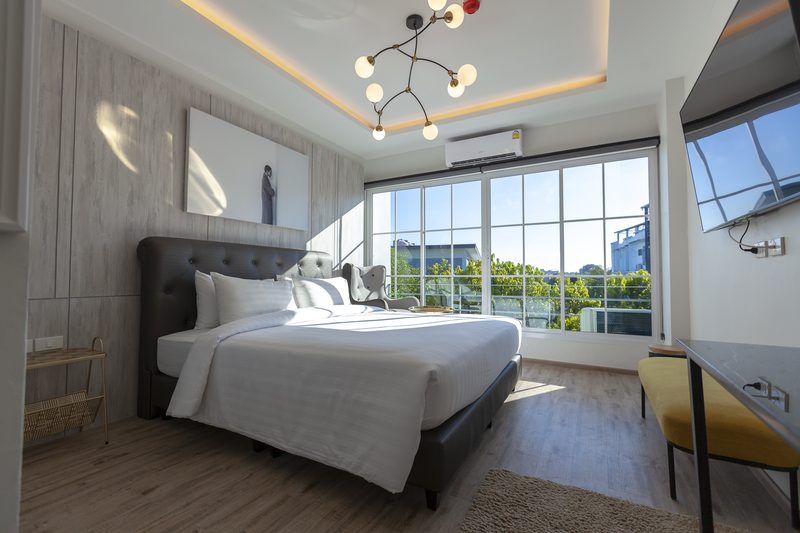
Where to Stay in Chiang Mai in February
Hand-picked hotels across price tiers for February travellers.
Public Holidays in February
Dates that affect opening hours, transport and crowds
Makha Bucha
Observed nationwide as a public holiday. Date calculated from the national holiday calendar.
Makha Bucha
Observed nationwide as a public holiday. Granted in lieu when the holiday falls at a weekend. Date calculated from the national holiday calendar.
Makha Bucha
Observed nationwide as a public holiday. Date calculated from the national holiday calendar.
Packing Checklist
Bookmark this page — your progress is saved between visits
Need the full list with shopping links?
Climate-specific gear, brand recommendations, and what to leave at home.
View Chiang Mai Packing List →Essential Tips
Insider knowledge and common pitfalls to avoid
Insider Knowledge
Golden hour hits the moat at 6:45. Mirror still. Mist rises. Shoot fast.
Midday furnace drives locals into jazz bars off Nimmanhaemin. Thick walls. Cold espresso. Vinyl crackles.
For the freshest market produce without the tour groups, hit Warorot Market just after 7am. That's when the restaurant buyers are there, and the piles of herbs, river fish, and northern vegetables are at their peak.
Behind Doi Suthep, a pine trail forks left. Follow bells. Empty cliff shrine. Wind only.
Avoid These Mistakes
Dry air lies. UV 8 burns. Sunscreen or regret.
Night tuk-tuk rides bite. Pack fleece. Shivering ruins temples.
Midday sun from 11 to 3 punishes. Book massage. Sip iced coffee. Live.
North trails stay damp. Dust hides mud. Trekking sandals slide.
Short on time? See day trips around Chiang Mai on GetYourGuide.
Ready to plan your trip to Chiang Mai?
Now that you've got the research covered, here's where to go next.
Explore More Activities in Chiang Mai
Didn't see anything interesting yet?
Browse Viator's full catalog of tours, day trips, food experiences, and private guides in Chiang Mai.
See All Chiang Mai Tours on Viator