

Things to Do in Chiang Mai in August
August weather, activities, events & insider tips
Low Season · Budget Friendly
August Weather in Chiang Mai
Long-run averages for August
88°F (31°C)
High Temp
75°F (24°C)
Low Temp
8.8 inches (224 mm)
Rainfall
87%
Humidity
17
Rainy Days
13
Sunny-Day UV
⚠ Heavy rainfall expected: carry rain gear daily
⚠ Very high humidity: stay hydrated and pace yourself
⚠ Very high UV on sunny days: use sunscreen and seek shade at midday
Making the most of August in Chiang Mai? Browse tours and activities in Chiang Mai on GetYourGuide.
Is August Right for You?
Weigh the advantages and considerations before booking
Advantages
- + Chiang Mai in August is a relative bargain. This is the quiet shoulder before the tourist crush of the cooler, dry 'high season,' so you'll find better deals on rooms and fewer queues at temples like Wat Phra Singh.
- + The landscape is a saturated, electric green you won't see any other time of year. The rice paddies in the valley floor are lush. The jungle around Doi Suthep is thick and alive with the sound of cicadas. The afternoon light after a storm is impossibly clear.
- + The weather creates a rhythm locals have perfected. Mornings are for exploring. Afternoons are for retreat. You'll slip into the same cadence, ducking into a cool temple courtyard or a cafe with a book when the daily downpour arrives. It is a pleasant way to experience the city.
- + This is the month for seasonal fruit. You'll find rambutan and mangosteen piled high in the Warorot Market, their sweet, perfumed scent mixing with the earthy smell of wet concrete. The local sticky rice with mango somehow tastes richer.
Considerations
- − The humidity is the main event. At 87%, the air feels like a warm, damp towel. It clings to your skin from the moment you step outside. This can be exhausting if you're planning full days of non-stop temple-hopping on foot.
- − While the rains are often brief, they are predictably daily and can be intense enough to flood low-lying lanes in the Old City within minutes. This turns a casual stroll into a wet, shoe-soaking adventure. Spontaneous motorbike trips up Doi Suthep become a game of chicken with the clouds.
- − Some outdoor-focused day trips, to more remote waterfalls or longer jungle treks, become less reliable. Trails can be slick with red mud. Some operators might cancel if the weather upstream looks risky.
Settled on August? Compare hotel prices in Chiang Mai for your dates on Trip.com.
Best Activities in August
Top things to do during your visit
In Chiang Mai, August moves to a different tempo. The thermometer hovers at an average high of 88 degrees Fahrenheit. The monsoon asserts itself more fully here than in the preceding months, delivering the highest average rainfall of the year. The air is saturated. It gives the light a soft, diffuse quality and amplifies the scent of damp earth and blooming vegetation that climbs the stone walls of the old city. Mornings often dawn clear and bright, with towering cumulus clouds building throughout the afternoon, promising the day's inevitable, cooling deluge. Life accommodates this rhythm. Shopkeepers watch the sky. Conversations pause for the drumming of rain on metal roofs. This is not a month for rigid schedules. It is for embracing the city's humid, green respite, where a sudden shower is simply a reason to duck into a serene temple courtyard or a quiet cafe. This weather pattern makes planning a matter of timing. The key is to align activities with the day's likely breaks in the weather. Outdoor adventures are best pursued in the morning when the skies are most reliably clear. The afternoons, when showers are most frequent, become good for indoor pursuits like learning a local craft or surrendering to the ancient practice of Thai massage. The landscape is at its most luxuriant, with waterfalls running full and the jungle canopy a deep, busy green. Visiting Chiang Mai in August means trading the relentless sun of spring for a more fluid, atmospheric experience, where the weather itself becomes a defining part of the journey.

4 in 1 Elephants Long Neck Rafting and Sticky Waterfall Tour
adventureYou will feel the cool rush of the river while navigating bamboo rafts, hear the powerful roar of a waterfall fed by August rains, and then experience the unique sensation of climbing the textured limestone face of a "sticky" waterfall, where the mineral-rich flow provides surprising traction underfoot. The day typically includes a visit with gentle giants at an ethical elephant sanctuary, where you can see them bathing in the mud and hear the rustle of branches as they feed.
This tour's specific combination of adventure and animal interaction defines its appeal.
Insider tip: Pack a full change of clothes in a dry bag, as you will get thoroughly soaked from both the rafting and waterfall, and the journey back will be more comfortable in dry garments.
This month: The waterfalls and rivers are at their most powerful in August, creating a dramatic and refreshing experience.

LIFECYCLING - Half Day City Bike Tour
guided_experienceYou will glide past crumbling brick stupas draped in moss, feel a cool breeze as you cycle down a quiet soi lined with tamarind trees, and hear the distant chime of temple bells. The route deliberately avoids the main traffic arteries, leading you through local neighborhoods where you might smell charcoal smoke from a roadside grill or see monks in saffron robes collecting alms.
This tour provides a singular, curated passage through the living fabric of the city, not just its monuments.
Insider tip: Request a bicycle with a basket or bring a small backpack to carry a rain poncho, as an afternoon shower in August is a distinct possibility, and continuing the tour through a light rain can be a memorable part of the journey.

1 Hour Deep Tissue Thai Massage with Balm - Free Transportation
otherYou will feel the gradual release of muscular tension under the practiced, rhythmic pressure of the therapist's hands, elbows, and knees, smell the penetrating herbal aroma of the warming balm, and hear only the soft sounds of the treatment room, a world away from the occasional downpour outside.
This is not a gentle relaxation massage. It is a targeted treatment rooted in ancient healing lines. It stands out for its therapeutic intensity and the inclusion of traditional herbal compresses.
Insider tip: Communicate clearly about your pain tolerance at the start; a good therapist will adjust their pressure to be effectively intense without being injurious, and it is well acceptable to ask for slightly less force.

Half-Day Cooking Class
foodYou will taste the complex, smoky heat of a pounded nam prik num relish, feel the sticky texture of freshly pounded rice for khao soi noodles, and hear the rapid-fire sizzle of ingredients hitting a scorching wok. The experience typically begins with a visit to a local market, where you will see baskets overflowing with exotic produce and smell the pungent fermented fish sauce used as a seasoning base.
This class offers the lasting reward of being able to recreate the distinct tastes of Chiang Mai long after you return home.
Insider tip: Arrive hungry and pace yourself, as you will cook and consume multiple full dishes, and the portions are generous.

1 day Private Tour to Unseen Temple in Lampang
culturalYou will see the extraordinary, intricate mosaic work of Wat Chaloem Phra Kiat, a temple complex perched dramatically on limestone cliffs, feel the serenity of spaces far less frequented by crowds, and hear the stories of Lanna history from a dedicated guide. The journey itself offers views of the lush, rain-fed countryside of northern Thailand in August.
This tour is singular for its focus on architectural marvels that remain under the radar for most visitors.
Insider tip: Wear sturdy, comfortable shoes with good grip, as exploring some of these temple sites involves climbing stairs and walking on uneven paths that can be slippery if recent rain has fallen.

Chiang Mai 4WD Hilltribe Coffee: Jungle Trek, Roast & Brew.
adventureYou will smell the rich, pungent aroma of fresh coffee cherries, taste the bright, clean finish of a single-origin brew, and feel the cool, misty air of the forest canopy as you trek to the source. The experience connects you to the land and the local Akha or Lahu communities who cultivate it, offering a real tasting.
Its uniqueness lies in the complete journey from bean to cup within the jungle environment.
Insider tip: Bring a light, waterproof jacket or poncho. The weather in the hills can shift quickly, and a passing shower is part of the authentic atmosphere.
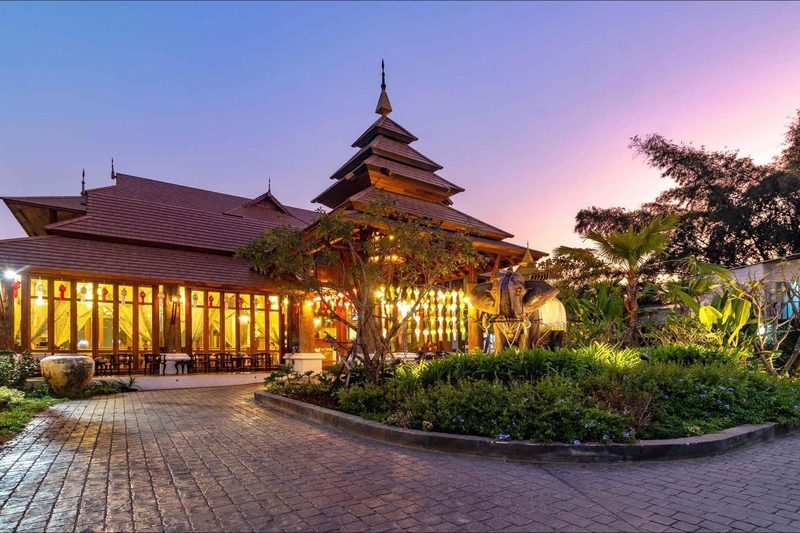
Where to Stay in Chiang Mai in August
Hand-picked hotels across price tiers for August travellers.
Public Holidays in August
Dates that affect opening hours, transport and crowds
HM Queen Sirikit The Queen Mother's Birthday; National Mother's Day
Observed nationwide as a public holiday. Date calculated from the national holiday calendar.
HM Queen Sirikit The Queen Mother's Birthday; National Mother's Day
Observed nationwide as a public holiday. Date calculated from the national holiday calendar.
HM Queen Sirikit The Queen Mother's Birthday (in lieu); National Mother's Day
Observed nationwide as a public holiday. Granted in lieu when the holiday falls at a weekend. Date calculated from the national holiday calendar.
Packing Checklist
Bookmark this page — your progress is saved between visits
Need the full list with shopping links?
Climate-specific gear, brand recommendations, and what to leave at home.
View Chiang Mai Packing List →Essential Tips
Insider knowledge and common pitfalls to avoid
Insider Knowledge
Locals plan their day around the rain. Follow their lead: be out the door by 8 AM for major sightseeing. By 1-3 PM, find shelter. Head to a cafe, museum, or your hotel. The rain usually passes by 4 PM. You get a glorious, washed-clean evening.
The best *khao soi* in Chiang Mai tastes even better on a damp, grey afternoon. The rich, coconut-curry broth delivers pure comfort. Queue where locals queue. Worth the wait.
Skip the motorbike rental if you lack experience. Sudden downpours leave roads slick with invisible oil and mud. Tourists crash here. Often.
Visit Doi Suthep's Wat Phra That in the late afternoon, after the rain. The tour buses have left. The marble floors steam. The gilded chedi glows against moody skies. You might have the view over the misty valley almost to yourself.
Avoid These Mistakes
Overpacking the daytime schedule defeats you. Heat and humidity win by noon. Plan one major outdoor thing per day. Maximum.
Wearing improper footwear invites disaster. Flip-flops on slick temple steps or in flooded gutters mean sprained ankles. Fast.
Assuming rain all day traps you in your hotel. You miss beautiful, active mornings. You miss golden post-storm light. Don't.
Short on time? See day trips around Chiang Mai on GetYourGuide.
Ready to plan your trip to Chiang Mai?
Now that you've got the research covered, here's where to go next.
Explore More Activities in Chiang Mai
Didn't see anything interesting yet?
Browse Viator's full catalog of tours, day trips, food experiences, and private guides in Chiang Mai.
See All Chiang Mai Tours on Viator