

Things to Do in Chiang Mai in May
May weather, activities, events & insider tips
Low Season · Budget Friendly
May Weather in Chiang Mai
Long-run averages for May
94°F (34°C)
High Temp
75°F (24°C)
Low Temp
6.6 inches (168 mm)
Rainfall
74%
Humidity
12
Rainy Days
12
Sunny-Day UV
⚠ Watch out for sudden, heavy afternoon thunderstorms. These can cause localized flash flooding in city streets. Rural roads become slippery.
Making the most of May in Chiang Mai? Browse tours and activities in Chiang Mai on GetYourGuide.
Is May Right for You?
Weigh the advantages and considerations before booking
Advantages
- + Chiang Mai in May is the city's shoulder season secret. The crowds that pack the Old City walls in winter have thinned. But the monsoon hasn't yet arrived in full, drenching force. Walk into just about any restaurant. No reservation needed.
- + The landscape explodes in green so intense it feels wet to look at. Rice paddies in the valleys shimmer in jade and emerald. Jungle trails up Doi Suthep are lush, fragrant with damp earth and blooming frangipani. The colors demand attention.
- + This is the month for mango sticky rice. The season peaks. Fruit stalls along the moat sell well ripe, golden nam dok mai mangoes so sweet they taste like honey. The warm, coconut-soaked sticky rice is a texture revelation. Eat slowly.
- + Hotel rates and tour prices dip noticeably from December-April highs. Secure a room in a beautiful, teak-wood Lanna-style guesthouse for a fraction of the cost. A longer stay becomes surprisingly affordable. Stretch your trip.
Considerations
- − The heat is tangible, heavy by late morning. From 10 AM to 4 PM, the sun feels like physical weight. Humidity averages 74%. You'll seek shade or air-conditioning. Temple-hopping in the Old City during these hours is sweaty, draining work. Start early.
- − Those 12 rainy days on average deliver their payload in late afternoon. Clear blue sky turns gunmetal grey in twenty minutes. Sudden, torrential downpours flood the cobbled lanes of the Old City for an hour. Then they clear. Just as fast.
- − Air quality clears beautifully after March-April burning season. But can degrade again if early agricultural fires begin. Hazy days with reduced mountain views are possible, towards month's end. Check conditions before booking mountain views.
Settled on May? Compare hotel prices in Chiang Mai for your dates on Trip.com.
Best Activities in May
Top things to do during your visit
Chiang Mai in May hits a transitional moment in the northern Thai calendar. The average high of 94 degrees Fahrenheit settles over the valley with warm, insistent weight. The average low of 75 brings little reprieve. The air feels thick and still. This is the last gasp of the hot season. The landscape still holds onto dusty greens from preceding dry months. It begins to soften under the season's average of nearly seven inches of rainfall. Locals move with measured pace. They seek shade of temple walls and cool interiors of shops. Their lives adjust to sporadic, sometimes torrential, afternoon downpours. These briefly rinse heat from ancient brick and concrete. Visitors in May find a city more manageable than peak winter months. The search for things to do in Chiang Mai shifts. Outdoor activities work best during cooler, drier mornings. Afternoons invite retreat into culinary workshops, serene massage studios, and cafe cultures that thrive here. This is a time for immersion rather than marathon sightseeing. Embrace the steam of a cooking class. Find focused quiet at a forest temple before monsoon fully establishes its grip. The atmosphere carries anticipation and relief. The scent of petrichor on hot pavement matters as much as taste of tamarind-chilled sweets. Rain patters on broad tropical leaves.

4 in 1 Elephants Long Neck Rafting and Sticky Waterfall Tour
adventureThis full-day adventure whisks you from the city into dense, buzzing jungles of the Chiang Mai countryside. You'll hear low calls of elephants. You'll feel splash of cool river water during bamboo rafting segment. Then comes the unique physical challenge of climbing natural rock formations of the Sticky Waterfall. Mineral-rich water grants surprising traction underfoot.
It combines intimate, ethical elephant observation with active exploration of two of Northern Thailand's most distinctive natural attractions in a single, well-organized journey.
Insider tip: Wear secure water shoes with grip for the waterfall climb. Bring a quick-dry towel. You will get thoroughly soaked during both rafting and waterfall portions.

LIFECYCLING - Half Day City Bike Tour
guided_experienceExplore historic core of Chiang Mai not through window of a van. Use pedal power instead. Feel humid morning air move past as you glide between crumbling laterite walls and gleaming temple spires. Your guide leads you down quiet sois away from main traffic. You'll hear echoing chants from monastery halls. You'll smell frangipani blossoms lining the moat.
This half-day bicycle tour offers paced, locally-guided immersion into layout and layered history of the Old City that motorized transport simply cannot match.
Insider tip: Opt for earliest tour of day to avoid peak heat and heaviest traffic. This makes for more pleasant and safer riding experience.

1 Hour Deep Tissue Thai Massage with Balm - Free Transportation
otherAfter a day navigating May heat, this treatment offers deep muscular relief in cool, quiet studio scented with herbal balms. The therapist uses firm, deliberate pressure along energy lines. They work out kinks from temple stair climbs and travel tension. You'll feel loosened and realigned.
It delivers authentic, focused Thai massage experience with added therapeutic benefit of mentholated balm. Pickup from your hotel is included.
Insider tip: Communicate your preferred pressure level clearly at start. For traditional experience, request session without oil. Use only provided balm on specific points.

Half-Day Cooking Class
foodDive into flavors of Northern Thai cuisine in hands-on class that begins with market visit. You'll see, smell, and select fresh ingredients like knobby galangal and fiery bird's eye chilies. Then you'll learn to balance foundational flavors, salty, sour, sweet, and spicy, in dishes like khao soi. Feel heat from charcoal stove. Finally taste rich, coconut-infused curry you created yourself.
This half-day class demystifies complex flavors of Lanna cooking. It provides skills to recreate them at home.
Insider tip: Come with an appetite. Don't eat big lunch beforehand. You will be sampling multiple dishes you prepare throughout session.
This month: The indoor, air-conditioned environment of a cooking class provides welcome refuge from frequent afternoon rain showers common in May.

1 day Private Tour to Unseen Temple in Lampang
culturalVenture beyond Chiang Mai to neighboring province of Lampang. You'll find serene, less-visited temples there. The only sounds are wind through ancient teak wood and distant bells from horse-drawn carriages. This private tour allows for contemplation within impressive, century-old monastic architecture. It is far from crowds. You'll glimpse quieter, more traditional side of Northern Thai spiritual life.
It provides exclusive, tailored access to architecturally significant temples that see very few foreign visitors. You get flexibility of private guide and vehicle.
Insider tip: Discuss with your guide possibility of including stop at Thai Elephant Conservation Center in Lampang. This aligns well with route and adds another layer to day.

Chiang Mai 4WD Hilltribe Coffee: Jungle Trek, Roast & Brew.
adventureJourney into highland jungles surrounding Chiang Mai to trace path of coffee from seed to cup. You will trek through humid, bird-call-filled forest to visit hill tribe village. Feel warmth of roasting beans over fire. Learn to brew cup that carries distinct earthy notes of region.
This experience connects dots between sustainable agriculture, hill tribe culture, and your morning brew in immersive, active format.
Insider tip: Wear long, lightweight pants and closed-toe shoes suitable for walking on sometimes muddy and uneven jungle paths.
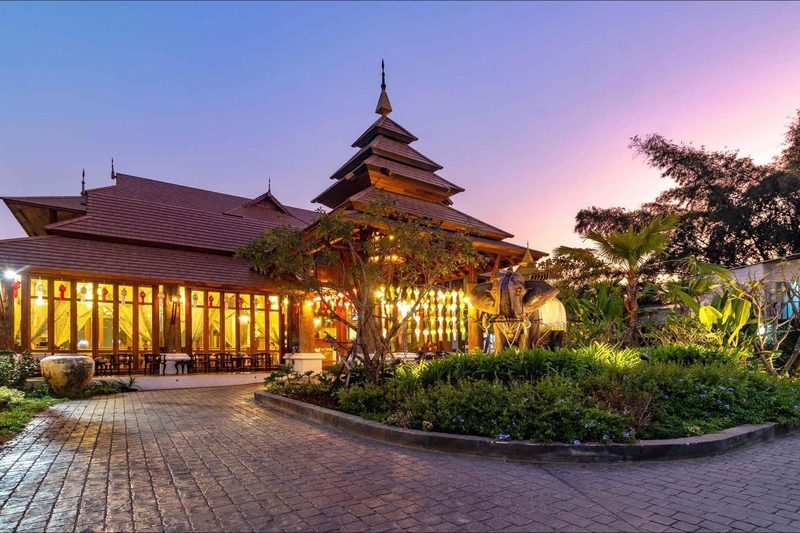
Where to Stay in Chiang Mai in May
Hand-picked hotels across price tiers for May travellers.
Public Holidays in May
Dates that affect opening hours, transport and crowds
National Labor Day
Observed nationwide as a public holiday. Date calculated from the national holiday calendar.
National Labor Day
Observed nationwide as a public holiday. Granted in lieu when the holiday falls at a weekend. Date calculated from the national holiday calendar.
Coronation Day
Observed nationwide as a public holiday. Date calculated from the national holiday calendar.
Visakha Bucha
Observed nationwide as a public holiday. Date calculated from the national holiday calendar.
National Labor Day
Observed nationwide as a public holiday. Date calculated from the national holiday calendar.
Coronation Day
Observed nationwide as a public holiday. Date calculated from the national holiday calendar.
Visakha Bucha
Observed nationwide as a public holiday. Date calculated from the national holiday calendar.
Packing Checklist
Bookmark this page — your progress is saved between visits
Need the full list with shopping links?
Climate-specific gear, brand recommendations, and what to leave at home.
View Chiang Mai Packing List →Essential Tips
Insider knowledge and common pitfalls to avoid
Insider Knowledge
Locals plan outdoor life around the weather. Follow their lead. Be out by 7 AM. Retreat to a cafe, museum, or massage during the 11 AM - 4 PM furnace. Re-emerge as afternoon rain clears the air for a golden evening.
The best mango sticky rice isn't at fancy restaurants. Look for street vendors with whole mangoes on display and a steamer for the rice. The rice should be warm. The mango should be room temperature, not fridge-cold. The coconut cream should be slightly salty.
If skies look threatening, head to the 3rd floor of the Chiang Mai City Arts & Cultural Centre. It's beautifully air-conditioned. You'll get a look at into Lanna history. Watch storms lash the trees in the square below from complete comfort.
Skip packed night bazaars. Instead, wander lanes off Charoen Prathet Road near the Ping River after dinner. You'll find quieter, more interesting boutique galleries and craft shops run by local designers. Often with a cool drink in hand.
Avoid These Mistakes
Don't cram in full days of temple-hopping from noon onwards. You'll be heat-stroked by Wat #3. Prioritize one or two key temples for early morning. Switch to indoor activities after.
Don't rent a scooter without considering rain. Sudden storms make roads slick and visibility terrible. If you rent, check the forecast for late afternoon. Plan to be parked before storms hit.
Don't assume every day will be a washout. The rains are usually brief. Don't cancel mountain day trips because of morning clouds. Weather there can be completely different. Showers often pass quickly.
Short on time? See day trips around Chiang Mai on GetYourGuide.
Ready to plan your trip to Chiang Mai?
Now that you've got the research covered, here's where to go next.
Explore More Activities in Chiang Mai
Didn't see anything interesting yet?
Browse Viator's full catalog of tours, day trips, food experiences, and private guides in Chiang Mai.
See All Chiang Mai Tours on Viator