

Things to Do in Chiang Mai in June
June weather, activities, events & insider tips
Low Season · Budget Friendly
June Weather in Chiang Mai
Long-run averages for June
91°F (33°C)
High Temp
76°F (24°C)
Low Temp
4.7 inches (119 mm)
Rainfall
83%
Humidity
13
Rainy Days
13
Sunny-Day UV
⚠ Sudden, heavy afternoon downpours cause flash flooding in streets and low-lying areas, making road conditions hazardous for motorbikes.
Making the most of June in Chiang Mai? Browse tours and activities in Chiang Mai on GetYourGuide.
Is June Right for You?
Weigh the advantages and considerations before booking
Advantages
- + The jungle and countryside are spectacularly green and lush. Waterfalls like Mae Sa and Bua Tong hit their most powerful and photogenic stride. The air carries the damp, earthy smell of wet soil and blooming frangipani. Worth the damp.
- + Crowds stay thin compared to the November-February crush. Temple courtyards like Wat Phra Singh and Wat Chedi Luang feel almost private. The sound in the Old City moat is rain pattering, not tour buses roaring. Skip the high season.
- + It's the best month for value. Accommodation prices drop noticeably. Last-minute availability opens up at places that book out months ahead in high season. Book now.
- + The light is extraordinary. After the daily afternoon downpour, the sky often clears to a hazy, golden glow. The red-brick of ancient chedis and the green of Doi Suthep seem to shimmer. Pack your camera.
Considerations
- − The rain shapes your schedule. You'll get about 13 days with measurable rain. Intense, theatrical afternoon bursts flood streets within minutes. Hikes and motorbike trips up the mountain get cancelled. Check forecasts.
- − Humidity matters more than heat. At 83%, the air feels like a warm, damp towel. Exertion between 11am and 4pm turns sweaty fast. Your clothes stick. You'll hunt for air-conditioning or a temple's cool stone floor by midday. Seek shade.
- − Outdoor activities get less reliable. Multi-day jungle treks to hill tribe villages turn muddy and slippery. Remote national parks become adventurous in the wrong ways. Plan flexibly.
Settled on June? Compare hotel prices in Chiang Mai for your dates on Trip.com.
Best Activities in June
Top things to do during your visit
Chiang Mai in June is a distinct pivot in the northern Thai year. The atmosphere settles into the rhythm of the rainy season. The heat lifts. The surrounding hillsides turn a deep, saturated green. Locals move with a slower, more deliberate pace. You'll notice them carrying compact umbrellas as afternoon skies build with towering clouds. The air becomes palpably fresh, scented with damp earth and revived foliage, punctuated by sudden, brief downpours that cool the stone of the old city walls. This is not a month for wall-to-wall sunshine. It is for experiencing Chiang Mai in a more contemplative light, where temple rooflines glisten against moody skies and the landscape feels alive and breathing. Those planning a trip often ask about the weather. In June, temperatures in Chiang Mai average a high of 91 degrees Fahrenheit and a low of 76, with rainfall around four and a half inches for the month. This is noticeably cooler and drier than the peak of the rainy season in August, and the rains, when they come, are typically intense but short-lived. The climate table shows this is a transitional period. It is more humid than the scorching April heat yet far less wet than the coming autumn months, offering a unique window where the city is refreshed but not overwhelmed. The tempo of Chiang Mai in June is its own reward, a chance to engage with the city's daily life and deeper cultural layers without the backdrop of high-season crowds.

4 in 1 Elephants Long Neck Rafting and Sticky Waterfall Tour
adventureThis tour combines several classic northern Thai experiences into a single day, moving from ethical elephant observation to a bamboo raft journey down a gentle river and a visit to the notable Bua Tong Sticky Waterfalls, where the limestone deposits provide a grippy, climbable surface. The sequence allows for immersion in both the region's natural landscapes and its gentle giants.
It efficiently packages multiple adventures, wildlife, water, and jungle, into one well-organized outing, good for travelers with limited time.
Insider tip: Wear water shoes or secure sandals for the waterfalls, and bring a dry bag for your camera, as the rafting portion, while calm, can involve splashes.

LIFECYCLING - Half Day City Bike Tour
guided_experienceThis half-day bicycle tour has a local's perspective on Chiang Mai, weaving through narrow lanes in the historic old city, past quiet temples where the only sound is the ringing of temple bells, and into residential areas rarely seen by visitors. The guides focus on the city's living culture and architecture, not just its monuments.
It provides a grounded, intimate, and active way to understand the layered history and contemporary rhythm of Chiang Mai beyond the main tourist trails.
Insider tip: Opt for the early morning tour start to experience the city at its coolest and most peaceful, before the day's traffic builds.

1 Hour Deep Tissue Thai Massage with Balm - Free Transportation
otherThis session has a focused, therapeutic treatment rooted in traditional Thai medicine, using deep pressure along energy lines and herbal balms to relieve muscle tension and promote circulation, all within a serene, professional studio setting. It is a more intense and targeted practice than a standard relaxation massage.
For those seeking genuine physical relief from travel aches or active adventures, this is a potent, authentic treatment that goes beyond spa pampering.
Insider tip: Communicate your pressure preference clearly at the start; a good therapist will adjust. But this style is firm.

Half-Day Cooking Class
foodParticipants are guided through the creation of a complete Thai meal, beginning with a visit to a local market to select fresh ingredients like lemongrass, galangal, and lively chilies, then learning to cook classic dishes such as pad thai, curry, or soup in a small-group setting. The class emphasizes hands-on technique and balancing the fundamental flavors of Thai cuisine.
It delivers not just a meal but the practical skill and confidence to recreate the bright, complex tastes of Chiang Mai at home.
Insider tip: Come hungry but also take notes. The recipes and market insights are as valuable as the food you get to eat.

1 day Private Tour to Unseen Temple in Lampang
culturalThis private tour ventures south from Chiang Mai to the neighboring province of Lampang, home to lesser-known temples like Wat Lai Hin and Wat Pong Sanuk, which feature intricate Lanna and Burmese architectural styles without the crowds of more famous sites. The journey itself passes through rolling countryside that is lush and green in June.
It has a profound sense of discovery and architectural beauty in a serene, off-the-beaten-path setting, showing a different facet of northern Thai culture.
Insider tip: Discuss with your guide the option to include a stop at the Horse Carriage Museum in Lampang town to add another layer of context to the region's history.

Chiang Mai 4WD Hilltribe Coffee: Jungle Trek, Roast & Brew.
adventureThis adventure takes you into the hills surrounding Chiang Mai to visit an Akha hill tribe community, trekking through jungle paths to a coffee plantation where you will learn about the entire process from bean to cup, culminating in roasting and brewing your own batch. The experience blends light physical activity with deep cultural and culinary learning.
It connects the pleasure of coffee with the people and land that produce it, offering a meaningful insight into a local way of life.
Insider tip: The jungle trek, while not strenuous, can be muddy during June. Wear sturdy, closed-toe shoes with good traction that you don't mind getting dirty.
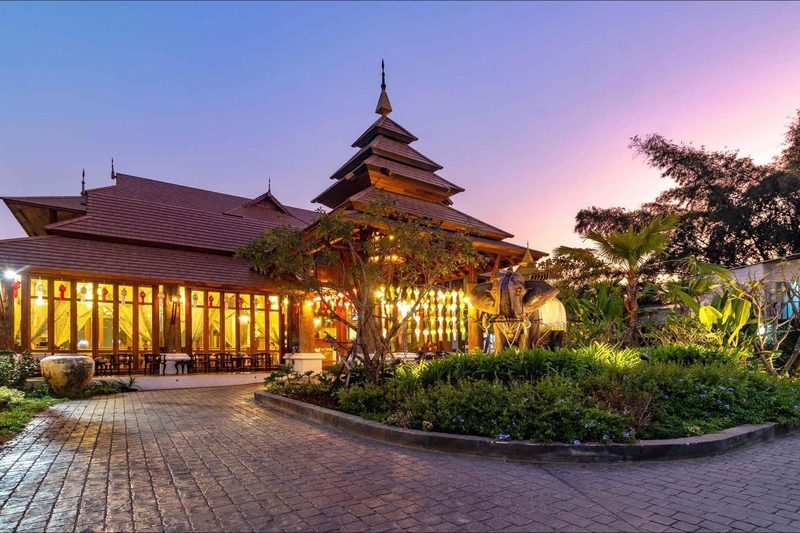
Where to Stay in Chiang Mai in June
Hand-picked hotels across price tiers for June travellers.
Public Holidays in June
Dates that affect opening hours, transport and crowds
HM Queen Suthida's Birthday
Observed nationwide as a public holiday. Date calculated from the national holiday calendar.
HM Queen Suthida's Birthday
Observed nationwide as a public holiday. Date calculated from the national holiday calendar.
HM Queen Suthida's Birthday
Observed nationwide as a public holiday. Granted in lieu when the holiday falls at a weekend. Date calculated from the national holiday calendar.
Packing Checklist
Bookmark this page — your progress is saved between visits
Need the full list with shopping links?
Climate-specific gear, brand recommendations, and what to leave at home.
View Chiang Mai Packing List →Essential Tips
Insider knowledge and common pitfalls to avoid
Insider Knowledge
Locals plan around the rain. Do likewise. Hit markets, temples, and cafes in clear mornings. Reserve 2pm to 5pm for long lunches, massages, or museums. The city re-emerges around 5:30pm.
The best khao soi tastes better on drizzly days. Skip the famous spots with lines. Find a neighborhood shop where coconut-curry broth simmers on the stove and crispy fried noodles have not gone soggy from humidity.
See Doi Suthep without haze or crowds. Go the morning after heavy overnight rain. The air is washed clean, views are sharp, and you might have the serpent staircase all to yourself. Monks chant while water drips from trees.
Night markets near Chang Puak Gate happen rain or shine, just under tarps. Steam from food stalls mixes with rain mist. Pork satay sizzles while rain patters canvas. Vendors chat more freely.
Avoid These Mistakes
Avoid renting a motorbike without wet-weather experience. Sudden downpours make roads slick as ice, and drainage floods hide deep potholes. Stick to taxis, tuk-tuks, or songthaew red trucks in June.
Do not pack only shorts and tank tops. Temples require covered shoulders and knees. That lightweight long-sleeve shirt also protects against sunburn and mosquitoes.
Think twice about remote hillside resorts. Winding roads become slow-going or tricky in heavy rain. Staying within or just outside the Old City moat gives more walking options when roads flood.
Do not expect rain to cool things off. It does, for about ten minutes. Then sun returns and humidity steams back up, often feeling heavier than before. It is a different kind of heat.
Short on time? See day trips around Chiang Mai on GetYourGuide.
Ready to plan your trip to Chiang Mai?
Now that you've got the research covered, here's where to go next.
Explore More Activities in Chiang Mai
Didn't see anything interesting yet?
Browse Viator's full catalog of tours, day trips, food experiences, and private guides in Chiang Mai.
See All Chiang Mai Tours on Viator